


How to Write a Rock Anthem Chorus: A Beginner's Guide to Big, Singable Hooks
Learn how to build a rock anthem chorus that crowds can sing back, from simple chord progressions and dynamic contrast to open-vowel lyrics and repetition.
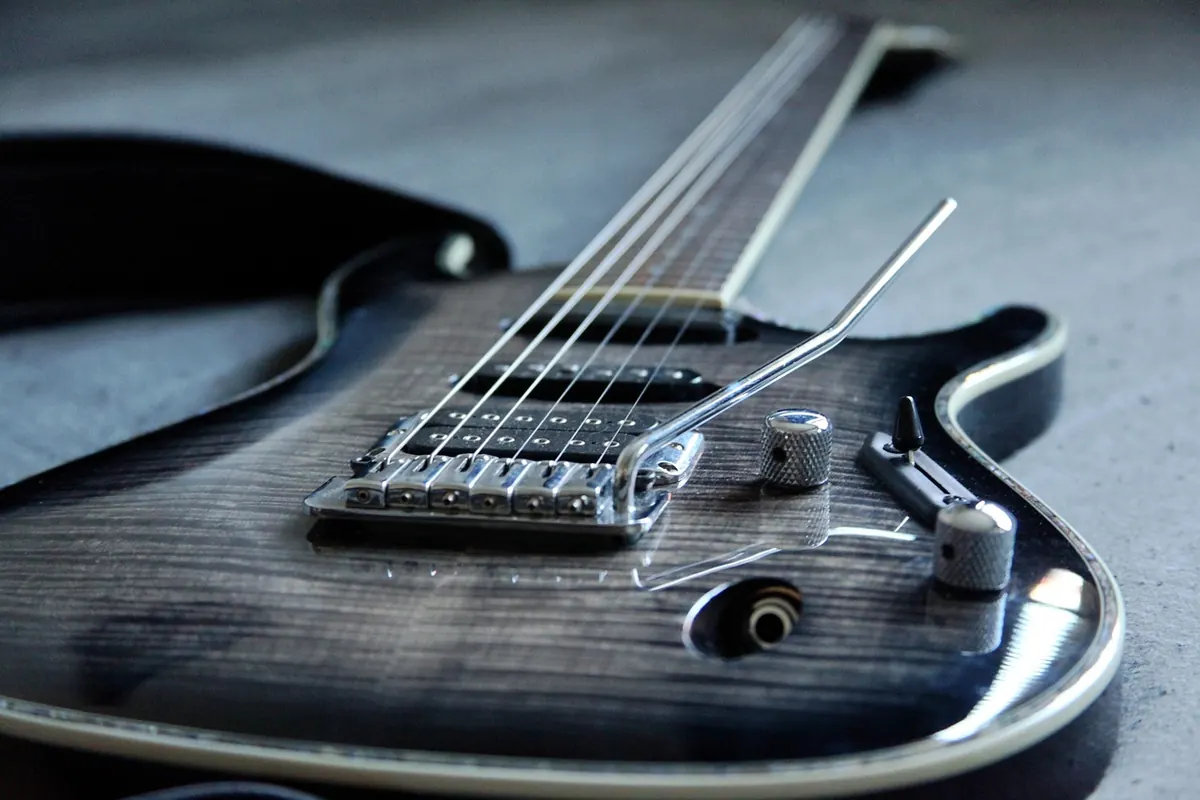
Every great rock anthem has a moment where the crowd takes over. The band could stop playing and the room would keep going. That moment is almost never an accident. It comes from a chorus built on purpose: simple harmony, a melody that sits where ordinary voices can reach it, and lyrics that give people something to shout back.
You do not need a studio, a producer or years of theory to write one. You need to understand what makes a chorus easy to join, then make a few deliberate choices in its favour. Here is how to approach it.
Start With the Singability Test
Before you worry about chords, write a chorus and try to sing it back with no accompaniment at all. Hum it. Sing it badly and loudly. If you cannot remember it ten minutes later, no arrangement will rescue it.
Three questions do most of the work:
- Would a room of people who have heard it twice be able to join in on the second pass?
- Can one line be shouted without the singer running out of breath halfway through?
- Does it sit in a range you could still sing after a long day, without straining?
Keep the chorus melody inside an octave, and ideally inside a fifth for the phrase people are meant to shout. A chorus that only sounds good when a trained singer delivers it is a chorus nobody will sing.
Chord Progressions That Give the Chorus Lift
Anthemic choruses rarely depend on unusual harmony. They depend on contrast. The chorus should feel like the song has opened up, so the verse and pre-chorus need to feel narrower: fewer notes, lower register, tighter rhythm.
In the key of G major, the most familiar progression of all is G–D–Em–C. It has been used thousands of times and will be used thousands more, because it works. You do not have to be clever here. You have to be clear.
Progressions worth knowing:
- I–V–vi–IV (G–D–Em–C) — the workhorse. Warm, familiar, endlessly singable.
- I–IV–V (G–C–D) — hymn-like and unpretentious; excellent under gang vocals.
- vi–IV–I–V (Em–C–G–D) — begins on the minor chord, so the chorus feels like a lift out of a darker verse.
- I–bVII–IV (G–F–C) — a flat seventh adds grit and a bit of swagger.
- bVI–bVII–I (E flat–F–G) — save this for the final chorus or the last two bars and it will land like a celebration.
One useful rule: keep the chorus progression simpler and more repetitive than the verse. If the verse wanders, the chorus should plant its feet.
Dynamics: Earn the Big Moment
Loudness is relative. If everything is loud, nothing is. The most reliable way to make a chorus hit is to take something away just before it arrives.
Try stripping the pre-chorus back to bass and voice. Drop the drums for the final bar. Stop everything for one beat before the downbeat, then come in together. Let the first chorus be slightly restrained and the last one explode. Small arrangement decisions like these do more for an anthem than another layer of guitars ever will.
When you do go big, go big with fewer things. Three instruments playing one chord powerfully will beat six instruments playing busy parts. Leave space at the top of the mix so the vocal has somewhere to sit, and use unison shouts or octave doubling on the title line to make it feel like a crowd even when it is just you in a bedroom.
Lyrics: Short, Open, Loud
Chorus lyrics are not verse lyrics. Verses can be detailed, wry, specific, full of images. The chorus is a slogan. It says one thing, in as few words as possible, in language that sounds good at volume.
- Cut the word count. Four to six words per line is plenty. White space is singable space.
- Land the long notes on open vowels. Sounds like "oh", "ay", "ah" and "eye" carry across a room; clusters of consonants do not.
- Use "you" and "we". Second person pulls the listener inside the song. "I" alone keeps them watching.
- Repeat the title. Put it in the first line, then bring it back as the last line. That is the part people remember.
- Say one thing. A chorus that argues two points argues neither.
Read your chorus aloud as if you were giving a speech to a crowd. If it sounds ridiculous shouted, it will sound ridiculous sung. If it sounds like something a room would answer back, you are close.
Melody and Rhythm: One Hook, Held Together by Repetition
Writing melody for a crowd is about predictability with one small surprise. Repeat the same rhythmic phrase for the first two lines, lift the third, then land on the title. Keep leaps small and stepwise movement common; a rise of three or four notes will out-sing a line full of athletic jumps.
Put the highest note of the whole song near the start of the chorus, ideally on the title word. That is the note people reach for. If your verse already sits at the top of your range, the chorus has nowhere left to go.
Structure: Make the Chorus Inevitable
Get there early. A first chorus inside the first minute is a good instinct. Once you have found a chorus that works, do not change its chords on later repeats. Familiarity is the entire point; the audience needs the second and third chorus to feel like coming home. On the final chorus, change something else — double its length, drop the band out for the first two bars, add a key change if the song genuinely wants one.
Never underestimate the one-word chorus. A single word, repeated on a rising melody, has launched more singalongs than most verses ever will.
Test It Before You Commit
Theory only takes you so far, so put the chorus through a few real-world checks.
- Record it on your phone, just voice and one instrument. No production, no effects.
- Hum it the next day without listening back first. If it has gone, rewrite the opening line.
- Play it to one friend and ask them to sing it back after a single listen. Watch which words they get wrong — that phrase needs simplifying.
- Play it loud in the room and sing it standing up. Anthems are physical; sitting down hides problems with breath and range.
- Write five more choruses over the same verse and pick the one you cannot stop humming.
Most people stop at the first chorus they like. The anthem is usually in the fourth or fifth attempt, once the obvious ideas are out of the way and you start writing something a crowd could genuinely own.
Photo: ReneSchulze1984 / Pixabay