



The Real Math Behind Casino Bonuses, RTP, and Winning Streaks
Every gambler remembers their first big win. Mine came on a three-reel slot in a smoky corner of a Reno casino, and for years I was convinced I'd cracked some…
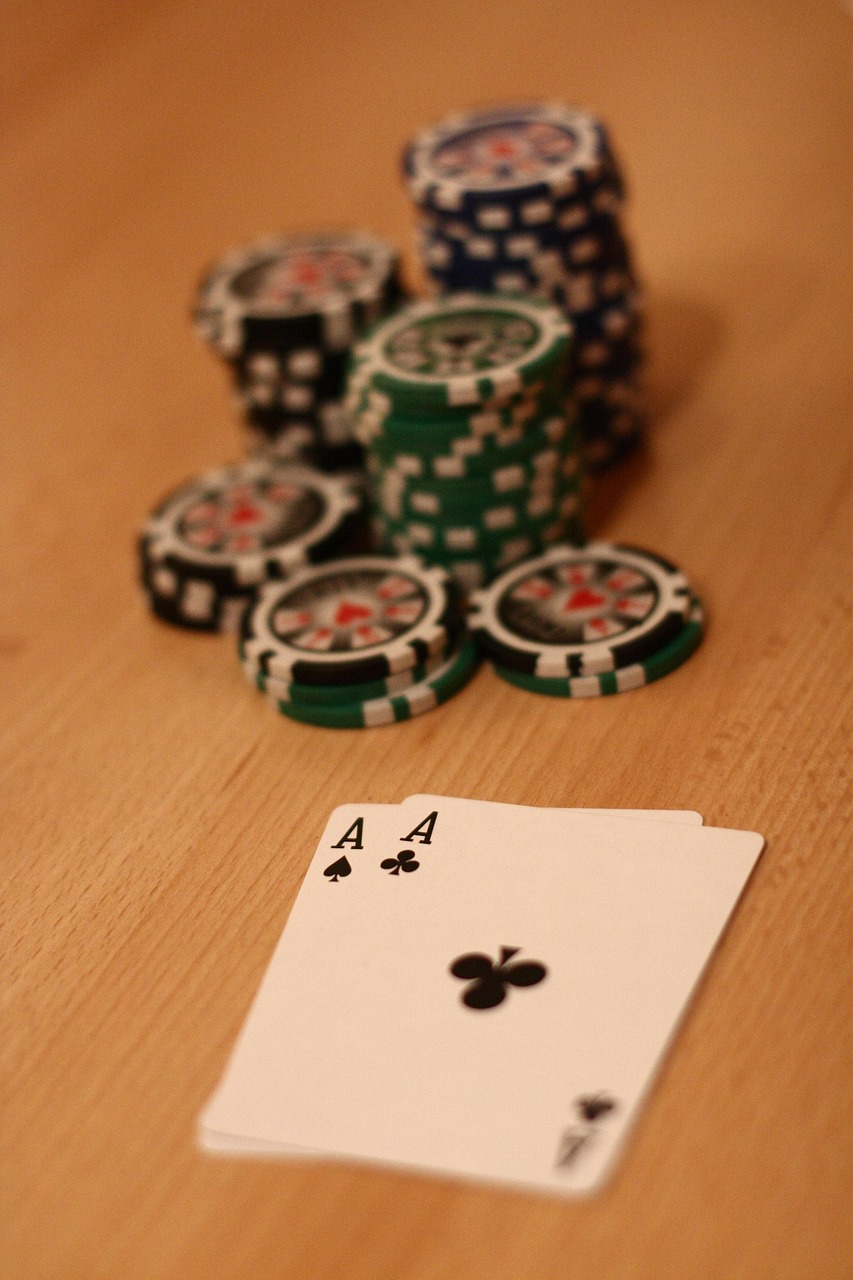
Every gambler remembers their first big win. Mine came on a three-reel slot in a smoky corner of a Reno casino, and for years I was convinced I'd cracked some kind of code. I hadn't. What I'd actually experienced was variance, dressed up in flashing lights and a soundtrack designed to make my brain file the moment under "strategy" instead of "luck." Understanding that distinction is the single biggest edge you can give yourself in iGaming, whether you're spinning slots, grinding poker tables, or sweating a parlay on a Sunday afternoon.
Why RTP Is Not the Number You Think It Is
Return to Player, or RTP, is the most quoted statistic in online casino marketing, and also the most misunderstood. When a slot advertises 96% RTP, that does not mean you'll get $96 back for every $100 you wager in a session. It means that across millions of spins, the machine's math model is designed to return 96 cents per dollar wagered, with the remaining 4% going to the house. In any given hour, your actual result could be +400% or -100%. The 96% figure only emerges over an almost unimaginably large sample size.
Here's a concrete example. If you play 500 spins at $1 each on a 96% RTP slot, your expected loss is $20. But the standard deviation on a high-volatility machine might be 8x or 10x your bet, which means swings of several hundred dollars in either direction are completely normal. This is why two players can sit side by side on identical machines and walk away with wildly different stories.
- High volatility (8-12x): Rare big wins, long dry spells. Think Book of Dead, Money Train.
- Medium volatility (4-7x): Balanced. Gonzo's Quest, most Pragmatic slots.
- Low volatility (1-3x): Frequent small wins. Classic 3-reel games, many Stakelogic titles.
Always check the game's help file or the casino's game info panel. Reputable operators publish RTP per game, and the difference between a 94% and a 97% version of the same slot is worth hunting for.
The Bonus That Isn't Really a Bonus
Welcome bonuses look generous until you read the fine print. A 100% match up to $500 with a 40x wagering requirement on bonus funds is not a $500 gift; it's a contract. You need to wager $20,000 before withdrawing anything tied to that bonus. Do the math on expected loss: at 96% RTP, you'd theoretically lose $800 chasing that $500. Unless your play style naturally churns that kind of volume, the bonus may actually cost you money. This is explained well on TX88.
Here's how I evaluate any bonus in under a minute:
- Multiply the bonus amount by the wagering requirement. That's total volume needed.
- Estimate the house edge on the best-available game (slots usually contribute 100%, table games often 10-20%).
- Subtract the expected loss from the bonus value. If the result is negative, walk.
- Check the max bet rule. Many bonuses cap bets at $5, and violating it voids everything.
- Note the time window. A 7-day expiry on a 40x requirement is brutal.
Wagering contributions matter enormously. A 40x bonus on blackjack contributing 10% is effectively a 400x requirement. Free spin offers with no wagering on winnings are almost always better than a fat match bonus.
The Bettor's Edge: Where Skill Actually Matters
Betting and poker are fundamentally different from slots because player decisions move the expected value needle. A sharp sports bettor isn't guessing; they're comparing their estimated true probability against the implied probability in the odds. If you believe a team wins 55% of the time and the moneyline pays +110 (implied 47.6%), that's a positive expected value bet worth making repeatedly.
The concept is called closing line value, or CLV. Consistently beating the closing odds is the single best predictor of long-term sports betting profitability, far more reliable than a hot streak or a tout's picks. Track your bets in a spreadsheet and compare the odds you got against the closing line. If you're beating the close by 2-3% on most bets, you're doing something right.
Poker is even more skill-dominated at the upper tiers. A competent cash game player at micro stakes might earn 3-5 big blinds per 100 hands. At high stakes against other pros, that edge can flatten to under 1 bb/100. The rake is the silent killer: at a 5% rake capped at $3, you need to be significantly better than your opponents just to break even at the same stakes.
Bankroll Management Is Not Optional
This is the section most players skip, and it's why most players eventually lose their deposits. Bankroll management isn't about being cautious; it's about surviving enough hands, spins, or bets for your edge (if you have one) to actually materialize.
Practical guidelines that experienced players actually use: Take a look at TX 88 for a fuller picture.
- Slots: 200-500x your average bet per session. If you bet $1/spin, bring $300 minimum.
- Blackjack: 100-200x your base bet, assuming basic strategy and decent rules.
- Poker cash games: 20-40 buy-ins for the stake you're playing. That's $2,000-$4,000 at $1/$2.
- Sports betting: 1-2% of bankroll per bet. Never more than 5% even on your "lock of the year."
The moment you deposit money you can't afford to lose is the moment your decision-making degrades. Desperation bets, chasing losses, and tilt are consequences of bad bankroll discipline, not causes.
Reading the Fine Print: Licensing, Payouts, and Trust
Where you play matters more than the games you play. A casino licensed by the UK Gambling Commission, Malta Gaming Authority, or a US state regulator operates under genuine oversight: independently audited RNGs, segregated player funds, and dispute resolution channels. An unlicensed offshore site offering "200 free spins no deposit" with a Cyrillic T&C dropdown is a different animal entirely.
Before depositing anywhere, check three things: the license number (verify it on the regulator's site), the withdrawal terms (processing times, fees, and any dormancy clauses), and independent user reviews on forums like AskGamblers where real disputes are documented. A casino that processes withdrawals in 24 hours consistently is worth far more than one offering a 200% bonus with 60x wagering and a 10-day payout queue.
Slot RNGs on licensed platforms are tested by labs like eCOGRA and GLI. That doesn't mean you'll win, but it does mean the game isn't rigged against you beyond the published house edge. On unlicensed sites, you have no such guarantee.
The Long Game
Here's what nobody sells you in a casino ad: the house always has an edge on every game, so the only rational way to treat iGaming is as entertainment with a cost, not an investment with a return. The players who last decades in this space are the ones who treat a losing session as the price of a good evening, not as a debt the game owes them.
The math doesn't care about your gut feeling, your lucky ritual, or the fact that the last three spins were red. Red is always 47.4% on a single-zero wheel. Every spin is independent, every roll is independent, and the RNG doesn't remember what it did five minutes ago. What you can control is game selection, bonus evaluation, bankroll sizing, and whether you're playing at a licensed operator. Master those four levers and you'll extract more value than 95% of players ever will, even without a single jackpot. And if you do hit one? Enjoy it. Just don't mistake luck for a system.