

The Real Difference Between Luck and Skill in iGaming
Ask ten gamblers whether casino games are about luck or skill and you'll get ten different answers, usually delivered with more conviction than evidence. The…
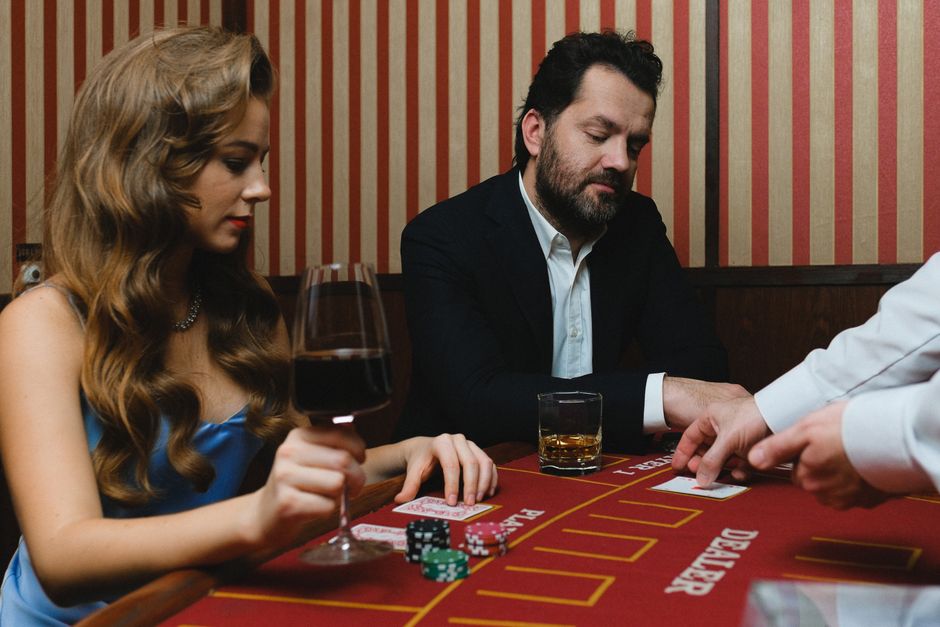
Ask ten gamblers whether casino games are about luck or skill and you'll get ten different answers, usually delivered with more conviction than evidence. The truth is messier: every game on a casino floor, in a poker room, or on a betting slip sits somewhere on a spectrum between pure chance and genuine strategic depth. Knowing exactly where each game lands matters far more than most players realize, because it determines whether you can actually improve your odds or just manage your bankroll while the math grinds you down.
Let's break down what separates these games, where the real edges hide, and how to spend your time and money in a way that respects both the randomness and your own skill.
Why the Luck-Skill Spectrum Matters
Consider two extremes. A single spin on a slot machine is pure randomness, a fixed probability determined by the random number generator that never changes based on how you press the button. A heads-up poker hand between two players in a long session is a different animal entirely; over thousands of hands, the better player wins with almost mechanical certainty.
This distinction isn't academic. It affects everything from how you budget to what legal framework applies in certain jurisdictions. In the United States, some states allow poker as a game of skill while banning games of pure chance. In Europe, regulators have debated whether daily fantasy sports and certain poker variants qualify as gambling at all. When courts and legislators can't agree, you know the line is blurry. Anyone weighing up options should see 33win.
For the practical player, the takeaway is simple: put your money where your decisions actually influence the outcome, and treat everything else as entertainment with a known cost.
Slots: Entertainment You Pay For, Not a Strategy Game
Slots deserve honesty more than hype. There is no way to influence a spin. There is no hot or cold machine, no pattern in the reels that persists, and no strategy that changes the return to player percentage. A slot with a 96% RTP will, over millions of spins, return 96 cents for every dollar wagered. That number is baked into the math, not into your timing.
What you can control is your exposure and the volatility profile you choose:
- Low volatility slots pay smaller amounts more frequently, stretching your bankroll for longer sessions.
- High volatility slots offer massive potential payouts but can drain a balance in twenty spins without a single win.
- Bonus features like free spins and multipliers can boost effective RTP, but only if the base game is fair and the wagering requirements are reasonable.
- Jackpot slots often have lower base RTP because a slice of every bet feeds the progressive pool.
A useful rule: check the RTP before you spin. Anything below 94% is generous to the house. Anything above 96% is a better-than-average pick. And treat every session budget as money you are paying for entertainment, the same way you'd pay for a concert ticket.
Table Games: Where Small Edges Add Up
Blackjack is the classic example of a game that can be shifted toward the player through strategy. Basic strategy, the mathematically optimal play for every hand combination given the dealer's upcard, can cut the house edge from around 2% down to about 0.5% on a typical six-deck game. That's not nothing. Over hundreds of hands, those fractions compound.
Card counting pushes further, though modern casinos with continuous shufflers and frequent deck penetration have made it harder to exploit. For most players, the realistic edge comes from simply playing correctly rather than chasing an advantage-play fantasy.
Roulette works differently. European roulette, with its single zero, has a house edge of 2.7%. American roulette, with both zero and double zero, nearly doubles that to 5.26%. There is no strategy in the world that changes those numbers. Your only real decision is which table to sit at, which makes the European wheel the obvious choice if both are available.
Baccarat sits in between. The banker bet carries roughly a 1.06% house edge, the player bet about 1.24%, and the tie bet a punishing 14.4%. The game feels strategic but mathematically offers very little room to maneuver. Bet banker, skip the tie, and call it a day.
Poker: The One Game Where Skill Genuinely Dominates
Poker is the outlier. Over the long run, the better player wins. That's not opinion; it's structural. You're not playing against the house, you're playing against other people, and the house just takes a rake. Every decision from position to bet sizing to reading opponents shapes your expected value.
Consider this: a strong player in a weak game might earn 5 to 10 big blinds per hundred hands. A weak player in the same game loses at a similar rate. The money has to come from somewhere, and it comes from the players making worse decisions. Skill is the only lever.
But poker skill is not one thing. It breaks down into several layers:
- Fundamentals like hand selection, position, and pot odds.
- Bet sizing and how your ranges interact with board texture.
- Exploitative play, adjusting to specific opponent tendencies.
- Mental game, handling variance without tilting off your stack.
The mental game is where most players fail. A 60/40 favorite loses four times out of ten. That's not bad luck, that's the game. Players who can't tolerate that gap between expectation and outcome will eventually donate their bankroll to someone who can.
Sports Betting: Information Versus the Closing Line
Sports betting lives somewhere between poker and roulette. You can't control the bounce of a ball, but you can control whether your bets reflect real information the market has mispriced.
The closing line, the final odds before kickoff, is the market's best estimate of true probability. Consistently beating the closing line is the mark of a sharp bettor. Most recreational bettors don't. They chase favorites, overreact to recent results, and bet with their hearts. That behavior is why sportsbooks are profitable.
If you want a fighting chance, focus on niche markets, track your bets honestly, and treat line shopping as non-negotiable. Taking the best available price on every bet is the closest thing to a free edge in the entire industry.
Bankroll Management Is the Skill Everyone Underrates
Regardless of the game, the single most controllable variable is how much you risk. A poker player with a 55% edge can still go broke with bad bankroll management. A slot player with no edge can at least avoid catastrophe by setting strict loss limits and sticking to them.
Practical rules that actually work: never bet more than 1 to 2% of your bankroll on a single poker buy-in, treat slot sessions as fixed entertainment expenses rather than investments, and separate gambling money from money you need. That last point sounds obvious until you watch someone reload for the fifth time on a Tuesday night.
The industry wants you to believe every game is winnable with the right system. It isn't. The games where skill matters offer real opportunities to improve. The games where it doesn't offer real opportunities to have fun at a known cost. Confusing the two is where players get hurt.
The Honest Conclusion
Luck and skill are not opposites; they're ingredients mixed in different proportions. Slots are almost all luck. Poker is mostly skill at the higher levels. Betting and blackjack sit in the middle, depending on how much work you put in. The players who thrive long-term are the ones who know exactly which game they're playing, what it costs them, and why they're sitting at the table. That self-awareness is worth more than any secret strategy, because it's the one thing the house can't take from you.