
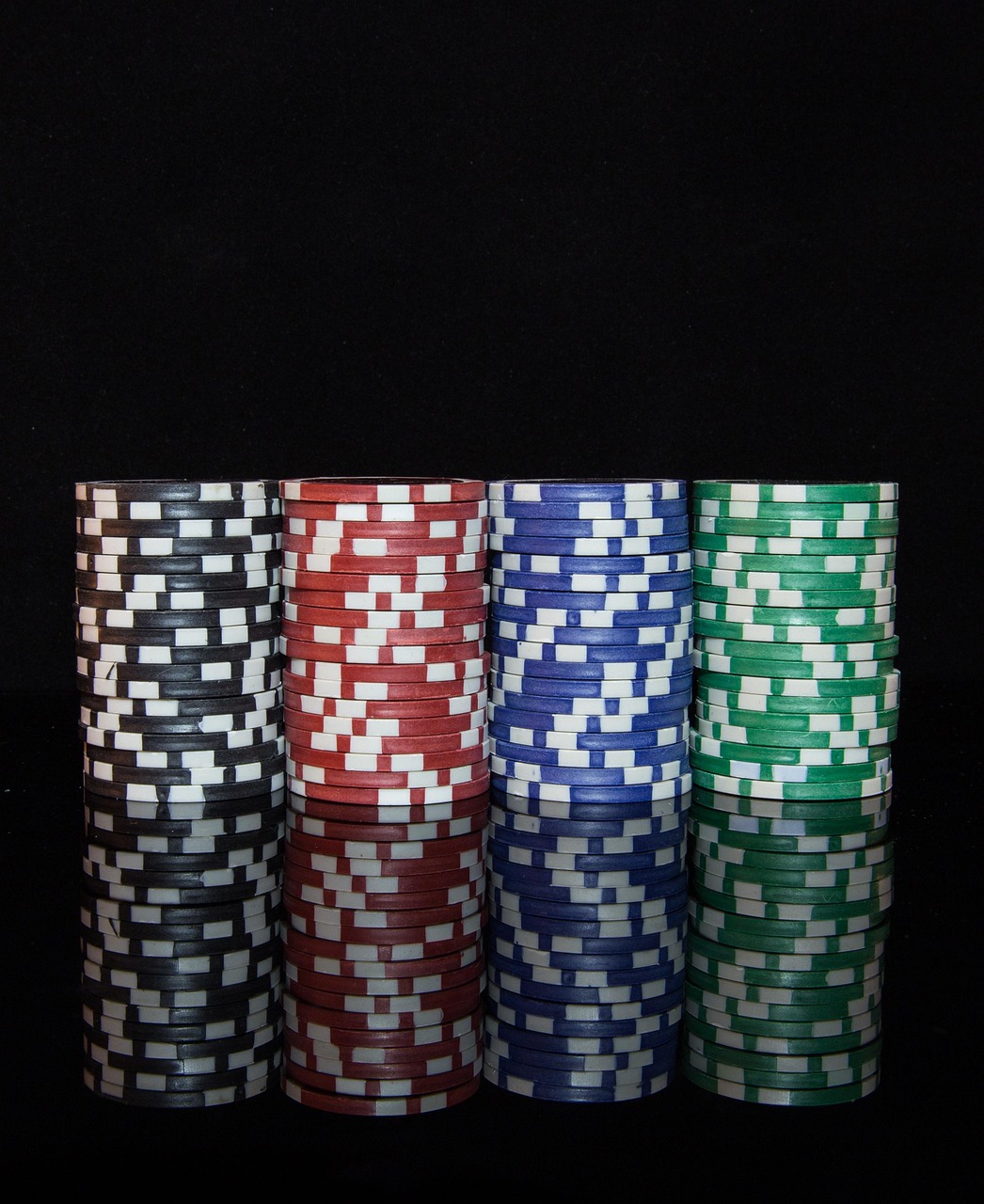


Slots, Poker, and the Maths Behind the Thrill
Every spin of a slot reel and every all-in shove at a poker table feels like a moment of pure luck. It isn't. Behind the flashing lights and the river card…

Every spin of a slot reel and every all-in shove at a poker table feels like a moment of pure luck. It isn't. Behind the flashing lights and the river card that ruins your night sits a layer of cold, hard mathematics that never blinks, never tilts, and never gets tired. Understanding that layer is the difference between a player who grinds away money blindly and one who actually knows what they're up against.
Let's pull back the curtain on how casino games and betting markets really work, and why the house always keeps its edge — even when you walk away a winner.
Why RTP Is a Long-Term Promise, Not a Short-Term One
Return to Player (RTP) is one of the most misunderstood numbers in iGaming. When a slot advertises a 96.5% RTP, that does not mean you'll get back 96.5 cents for every euro you insert during a session. It means that over millions of spins, across thousands of players, the machine is designed to pay out roughly 96.5% of all money wagered and keep the rest.
Here's the practical reality: variance dominates your individual experience. A volatile slot with 96% RTP might pay nothing for 300 spins, then dump a 2,000x multiplier on spin 301. A low-volatility game with the same RTP might dribble out small wins every few spins. Same long-term maths, completely different feel.
- Low volatility: frequent small wins, slower bankroll drain, better for long sessions on a tight budget.
- Medium volatility: balanced mix, the sweet spot for most casual players.
- High volatility: rare but massive payouts, brutal on your balance if your bankroll is thin.
The takeaway? Always check a slot's volatility rating before you commit real money. A 97% RTP slot that's ultra-high volatility will still eat your bankroll faster than a 94% low-volatility game if you're not funded to survive the dry spells.
The House Edge: Small Numbers, Big Consequences
RTP and house edge are two sides of the same coin. A 96.5% RTP slot carries a 3.5% house edge. Sounds tiny, right? Start doing the maths on volume and it stops looking tiny very quickly.
Wager €1,000 on a game with a 3.5% edge and the casino expects to keep €35 over the long run. Wager €100,000 over a year and that theoretical loss climbs to €3,500. This is why serious players think in terms of expected loss per hour, not per spin.
Compare that to other games:
- Blackjack (basic strategy): roughly 0.5% house edge — the best odds in the building.
- Baccarat (banker bet): about 1.06% edge.
- European roulette: 2.7% edge thanks to the single zero.
- American roulette: 5.26% edge because of that extra double zero.
- Three-card poker: often 2–3% depending on the paytable.
Just choosing European over American roulette cuts your expected loss almost in half. That's not luck. That's arithmetic.
Poker Is the One Game Where Skill Beats the Rake
Poker sits in a completely different category. You're not playing against the house — you're playing against other people, and the house just takes a small cut called the rake. That single fact changes everything.
Because your opponents are human, and humans make exploitable mistakes, a skilled player can achieve a positive expected value (EV) over time. But here's the catch most beginners miss: beating the rake is harder than it looks. At low-stakes cash games, the rake can swallow 5–10% of every pot, meaning a marginally winning player might actually be a losing one after the deduction.
To be genuinely profitable, you need to: We found XOCDIA88 to be a handy reference here.
- Play tight-aggressive ranges from early position instead of limping into every pot.
- Understand pot odds and implied odds before chasing draws.
- Exploit opponent tendencies rather than playing your cards in isolation.
- Track your results over at least 50,000 hands before drawing conclusions.
- Pick tables and stakes where the rake doesn't strangle your win rate.
Poker rewards patience and discipline more than any flashy bluff. The players who last are the ones who fold the most. XOCDIA 88 offers a practical breakdown of the topic.
Sports Betting: Where the Margin Lives
If you've ever looked at football odds and wondered why both sides of a match sit at 1.90 instead of evens, you've met the bookmaker's margin. That overround — typically 4–8% on major markets — is how sportsbooks guarantee profit regardless of the result.
Sharper bettors hunt for value rather than favourites. The question isn't "will this team win?" but "does the probability implied by these odds offer value against the true probability?" If you consistently find odds that overestimate a team's chances, the margin becomes beatable over hundreds of bets.
Asian handicaps often carry lower margins than standard 1X2 markets, and exchange-style platforms let punters bet against each other with commission replacing the traditional bookmaker margin. The sharper your market, the thinner the edge — but the edge is real for disciplined bettors.
Bankroll Management Is the Only Edge You Fully Control
You can't control variance. You can't control a bad beat on the river. What you can control is how much you risk on any single event, and that single discipline separates survivors from casualties.
A simple framework that works across slots, poker, and betting:
- Set a monthly bankroll you could genuinely afford to lose without impacting your life.
- Never stake more than 1–2% of that bankroll on a single slot spin or bet.
- For poker, 20–30 buy-ins at cash games gives you a realistic cushion against downswings.
- Track every session — wins, losses, hours played. Data beats memory every time.
- Decide in advance when to stop, both on a winning streak and a losing one.
Tilt is the silent killer of every edge you've built. The moment you start chasing losses, your EV plummets and the house edge becomes irrelevant — you're just donating.
What Actually Separates Smart Players From the Rest
Casino operators spend millions on game design, psychology, and UX to keep you spinning and betting. Loyalty bonuses, free spins, jackpot animations — none of it is accidental. The smart player doesn't pretend to be immune to that design; they simply go in with clear eyes and a plan.
That means understanding RTP and volatility before you play, choosing games with reasonable house edges, treating poker as a skill game with a mathematical foundation, hunting value in betting markets, and guarding your bankroll like it matters. Because it does.
The thrill is real, and there's nothing wrong with enjoying it. Just remember that the maths never sleeps — so the best thing you can do is learn to read it before it reads you.