



Poker Tells, Slot Myths, and the Real Math of iGaming
Most people who lose money at online casinos lose it for the same reason people lose money at poker tables: they confuse entertainment with a financial…
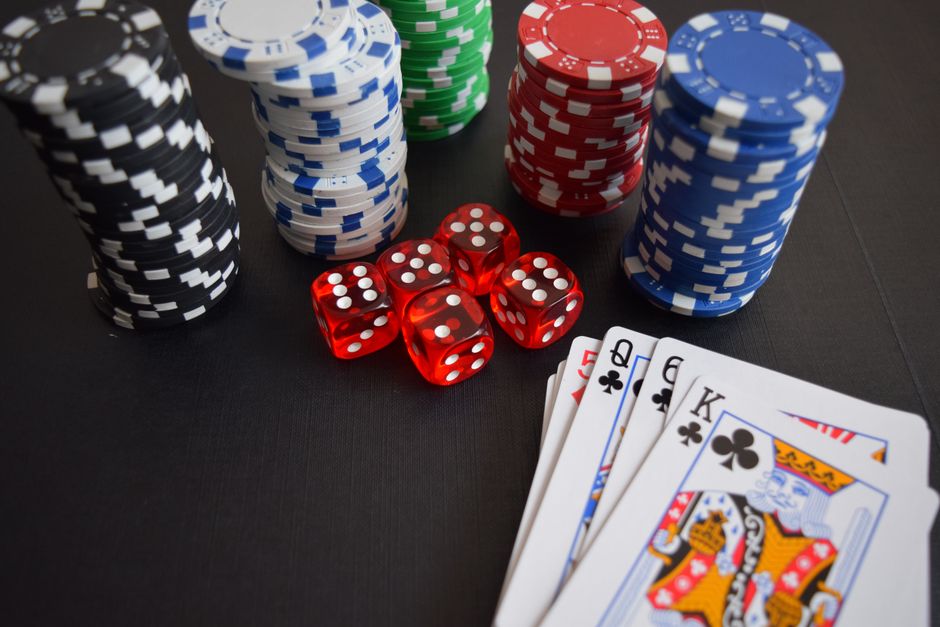
Most people who lose money at online casinos lose it for the same reason people lose money at poker tables: they confuse entertainment with a financial strategy. That's not a moral judgment. It's just the fastest way to explain why some players walk away smiling after a bad night and others chase losses until their rent is late. The difference isn't luck. It's understanding what you're actually doing when you spin a reel, raise a bet, or call a bluff.
Slots: The Myth of the "Due" Machine
Let's start with the game almost everyone plays. Modern video slots are random number generators. Every spin is independent. A machine that hasn't paid out in three hours is not "due" — it has no memory of those spins any more than a coin remembers landing heads five times in a row. The probability of the next spin is exactly the same as the first.
What actually matters is the return-to-player percentage, or RTP. A slot with a 96% RTP keeps four cents of every dollar wagered over millions of spins and returns the rest. A slot at 94% keeps six. That two-point difference sounds tiny until you play ten thousand spins at a dollar each: the expected loss jumps from $400 to $600. Over a year of casual play, that gap is your vacation fund. Before making a choice, it helps to review สล็อตเว็บตรง.
Here's what experienced players actually look at:
- RTP rating: Anything under 95% is a hard pass for high-volume sessions. Many regulators publish these figures.
- Volatility: High-volatility slots pay rarely but largely. Low volatility pays often but small. Match this to your bankroll, not your mood.
- Max win caps: Some slots limit total payouts to 5,000x your stake. That's fine — just know it before you chase a jackpot that can't happen.
The one honest piece of advice here: set a session budget before you open the game, and treat every dollar spent as the price of entertainment, not an investment. The moment you're spinning to recover losses, you've stopped playing and started gambling in the way that ruins people.
Poker: Where Skill Actually Shifts the Math
Poker is the only major iGaming vertical where a skilled player can realistically expect to profit over time. The house takes a rake — typically 5% of the pot up to a cap — but the money you win comes from other players, not the casino. That single fact changes everything.
The problem is that most beginners overestimate their edge. They watch a highlight reel of a bluff that worked and think they're Daniel Negreanu. Here are the actual pillars of a winning game:
- Position awareness: Acting last gives you information first. A mediocre hand in the cutoff is often stronger than a good hand in early position.
- Bankroll management: The standard is 20 to 30 buy-ins for cash games and 50 to 100 for tournaments. If you're playing $2/$5 with $600, you're not playing poker — you're gambling on variance.
- Range thinking: Stop asking "what does he have?" and start asking "what hands would he play this way?" A player who three-bets from the small blind has a much narrower range than one limping from the button.
- Emotional control: Tilt costs more money than bad cards ever will. If you just lost a 70/30 all-in, take five minutes. That's not weakness. That's profit preservation.
Online poker rewards volume and study. A winning micro-stakes grinder who plays 50,000 hands a month will out-earn a casual genius who plays 500. The math is unforgiving that way.
Betting: The Margin Is the Game
Sports betting is where casual players get the most confident and the most wrong. The bookmaker's edge isn't hidden — it's right there in the odds. A fair coin flip pays +100. A bookmaker offering -110 on both sides is taking about 4.5% off the top. That's the vig, and it's why long-term betting without an edge is a slow leak.
Sharp bettors don't predict winners. They find prices that are wrong. If a team's true win probability is 55% and the odds imply 50%, that's value. It doesn't matter whether the bet wins tonight. Over a thousand bets, that edge compounds.
Practical rules that separate bettors from donors:
- Shop lines. The difference between -105 and -115 on the same bet is real money over a season.
- Track every bet. If you can't calculate your closing line value and your units won, you don't know if you're sharp or lucky.
- Ignore parlay hype. A four-leg parlay at +900 feels like a lottery ticket. The house edge multiplies with each leg.
The Shared Trap: Chasing and Tilt
Every vertical in iGaming — slots, poker, betting — shares the same failure mode. It's not game selection. It's emotional decision-making after a loss. The slot player doubles their spin size. The poker player three-bets with junk to "get even." The bettor throws a desperate longshot parlay at 11 p.m.
Casinos and sportsbooks don't need to cheat you. They just need you to keep making impulsive decisions while the math grinds away. Responsible gambling tools — deposit limits, session timers, self-exclusion — aren't there to ruin your fun. They're there to protect you from your worst hour.
What a Healthy iGaming Habit Actually Looks Like
I'm not going to pretend that every player can turn a profit. Most can't, and that's fine. The goal is to get value for the money you're spending on entertainment. Someone who spends $200 on a concert ticket doesn't expect a return. Treat your iGaming budget the same way.
The players who last are the ones who study the mechanics, respect the variance, and walk away when the fun stops. They know that a 96% RTP slot is not a retirement plan, that a poker hand is just one data point, and that a losing bet doesn't mean the process was wrong. That's the unglamorous truth of this industry. The lights and the animations are designed to make you forget it. Your bankroll remembers.